

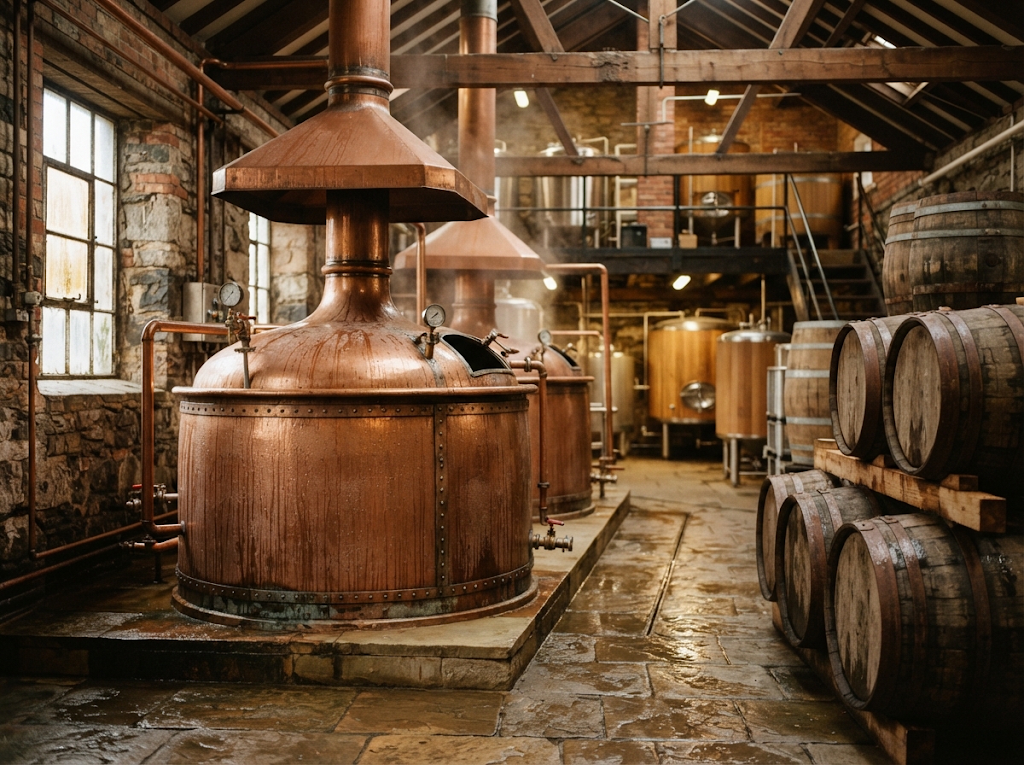
German brewing is older than most countries. Family breweries in Bavaria, Franconia and the Rhineland have poured the same styles for centuries, and today they welcome visitors from the United States, Britain and Australia who want to see the kettles and taste the beer where it is made. A tour is more than a tasting: it tells a story of water, malt, hops and a famous purity law. A brewery tour in English succeeds when a visitor can follow the process in plain words, without a dictionary and without feeling that something important was lost on the way. This guide explains how breweries and tourism offices can prepare English materials.
The Story Visitors Want
Guests come for flavour, history and atmosphere. They ask how the beer is made, why styles differ, what makes the local water special and how long the family has brewed. Prepare a short account of the brewery's history, a simple description of the process and a map of the tour. Use stories about people, such as the master brewer who arrives at five every morning, since details of that kind are remembered long after the facts.
Brewing Vocabulary
German beer language is rich, and many terms have no simple English match. Words for styles, such as Helles, Dunkel, Weizen or Kölsch, are better kept in German and explained once. Terms for the process, such as mashing, lautering, fermentation and lagering, have standard English names that should be used consistently. A glossary on the back of the tour leaflet helps guests follow the guide and order with confidence.
The Purity Law and Other Claims
Many breweries mention the purity law of 1516, and some use it as a selling point. Statements about ingredients, origin and tradition must be accurate, since consumer protection rules apply to marketing. The German Brewers Federation explains the law and its modern form at brauer-bund.de. When describing it for English readers, avoid exaggeration, and explain what the rule requires and what it does not.
Menus, Labels and Allergens
Taproom menus should list each beer with style, strength, flavour notes and serving size. Give alcohol content as a percentage and mention allergens such as gluten. Food menus should explain regional dishes in a few words, for example a pretzel, a sausage or a pork roast with dumplings. A clear menu invites guests to try something new instead of ordering the one drink they already know.
Working With Language Professionals
Tour scripts, websites and booking terms benefit from a specialist. A reputable german translation company can adapt the brewery's German texts into natural English, check technical terms with the brewmaster and keep the tone warm and proud, without stiff phrases. Share a tour recording or a visit so the translator can hear how the guide speaks.
Booking, Tickets and Groups
Group tours, private tastings and festival tickets need clear terms: price, duration, minimum age, cancellation and what is included. Provide directions from the nearest train station and explain how to buy tickets. Mention opening hours and holiday closures, and note that many German shops and restaurants close on Sundays, which surprises some visitors.
Safety and Responsible Drinking
Breweries have wet floors, steps, hot equipment and low ceilings. Give short safety instructions at the start of a tour and place signs in English. Explain legal drinking ages, rules on driving and options for taxis or accommodation. Responsible messages protect guests and the brewery. For another example of how clear public information helps travellers, read this article on German to English translation.
Festivals and Seasonal Events
Beer festivals attract huge crowds and many visitors from abroad. Prepare a simple guide to traditions, such as reserving tables, tipping, wearing traditional clothing and buying tokens. Publish schedules, maps and transport tips in English well before the event, and place staff who speak English at entrances and information desks.
Exports and Importers
Breweries that export need product sheets, tasting notes, certificates, pallet specifications and price lists in English. Importers compare many suppliers, so well written technical sheets set you apart. Check that figures, units and storage instructions are exact, and keep one master file to avoid contradictions.
Shop and Online Store
Souvenir shops sell glasses, gift packs and branded clothing. Product descriptions should be short, honest and consistent with the brand voice. Explain shipping rules, since alcohol has special regulations in many countries, and give clear return conditions. A well written store page turns a pleasant visit into a lasting customer relationship.
Keep Tradition Readable
Maintain a glossary, a style guide and a list of approved phrases. Train guides and servers with simple English scripts, and gather visitor feedback each season. A brewery that explains itself clearly invites visitors to raise a glass, and to return with friends.
Regional Differences Guests Notice
Beer styles change from town to town, and so do customs. A glass in Cologne is small and refilled automatically, while in Bavaria the litre mug is common. Explain these habits briefly so that visitors know what to expect, and give simple phrases for ordering, paying and saying cheers. Small cultural notes make guests feel like insiders rather than tourists.
Accessibility and Families
Describe whether the tour has stairs, whether children are allowed and what non-alcoholic options exist. Provide seating in the taproom, large print leaflets and clear signs. Visitors who know in advance what to expect are more likely to book, and more likely to leave a warm review in English.
Son Gönderiler

Freelancer or Agency, Where to...

Telecom and IT Service Agreeme...

How to Find a Trustworthy Tran...

Finding a Reliable Turkish Int...

Interprete per Affari in Turch...

Trabajar con Proveedores Turco...
Paylaşın.

Bağlantılar
Çerez kullanıyoruz
Size en iyi deneyimi sunmak, tercihlerinizi hatırlamak ve sitenin nasıl kullanıldığını anlamak için çerez kullanıyoruz. Tümünü kabul edebilir, isteğe bağlı olanları reddedebilir veya izin vermek istediğiniz kategorileri seçebilirsiniz.
Gizlilik politikasıÇerez tercihleri
Hangi çerezleri kullanabileceğimizi seçin. Gerekli çerezler açık kalır çünkü site onlar olmadan çalışamaz.
Daha fazla bilgi için Gizlilik politikası metnimizi okuyun.